
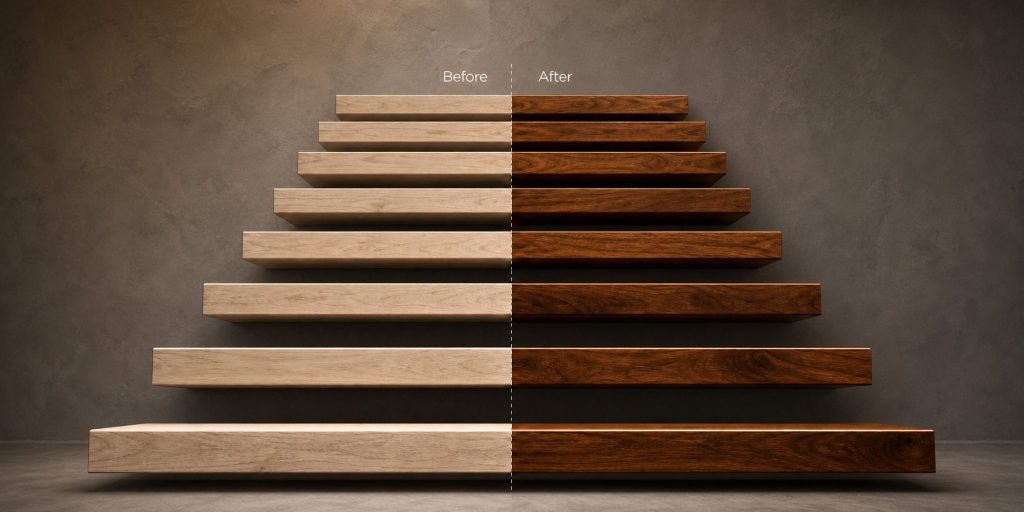
Wood stair finishes can completely change the appearance of a staircase, even when the same timber is used. Oak, ash and walnut each absorb colour differently because of their natural grain, pore structure and underlying tone.
Choosing a finish is therefore about more than selecting an attractive sample. You need to consider how the colour will respond to the timber, surrounding flooring, joinery and natural light. In this guide, we compare the main hardwood options and explain how to choose a finish that will work in your interior.
Why can two staircases made from the exact same wood look nothing alike? The answer almost always comes down to the finish. For example, ash and oak can each take on a completely different character depending on the colour applied to them while the wood underneath hasn’t changed at all. Picking a shade you like in a showroom is only half the job. The other half is knowing how that shade will actually behave once it meets the grain of your chosen wood.
This matters even more with solid hardwood, where the finish sits directly on the timber rather than on a veneer or laminate. We recommend you to understand the wood before choosing the colour. Treating the two decisions as one and a shade later, tends to give a far more predictable result once the staircase is actually installed. Here we go!
Wood Grain and Its Effect on Colour Finishes
Every timber has a pore structure, and that structure decides how much stain or lacquer it absorbs and where. Some woods have large pores concentrated in narrow bands, so colour sinks in unevenly and the grain pattern becomes more visible. A few things shape how a finish will actually look once it’s dry:
- Pore size and distribution. Wider, clustered pores pull in more pigment and create contrast, while fine, even pores give a smoother, more uniform colour.
- Grain pattern. Straight grain reads as calm and consistent, while a pronounced ray fleck or figuring will show through any finish you apply.
- Density of the timber. Denser hardwoods tend to hold their colour and resist wear better than softer, more open-grained woods.
None of this is a reason to avoid a particular wood. It’s simply why the same colour name (whether it’s a warm honey tone or a cool grey) can produce two different results depending on what it’s applied to.
Colour Finishing Options at Style Stairs
For anyone with a specific shade in mind that isn’t part of the standard range, bespoke colour matching is available so the stairs can be matched to existing flooring or joinery in the home. The choice of wood affects which of those finishes will look their best, which is why it’s worth understanding how each species responds before settling on a colour.
Choosing the Right Wood for Your Colour Finish
1. Solid Ash Stairs Colour Finishes
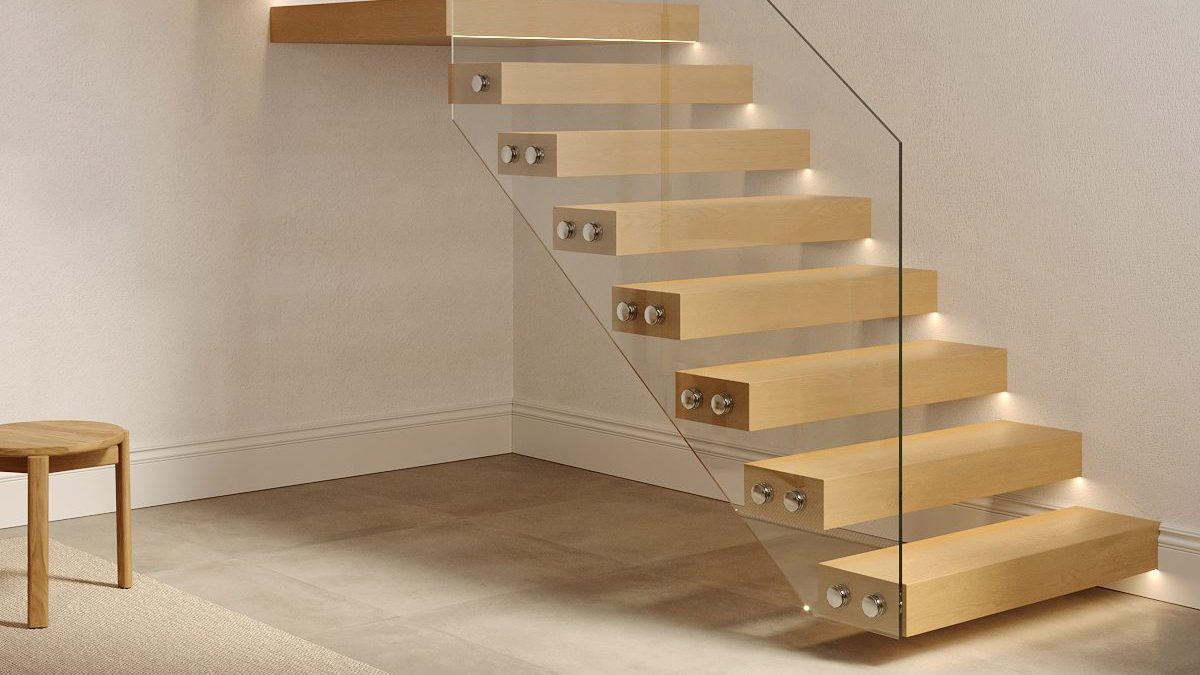
Ash has its pores concentrated mainly in the early growth rings, which means colour finishes tend to sit with more contrast on this timber. The grain stays clearly visible under the colour rather than being smoothed away, which suits lighter, Scandinavian-leaning tones particularly well. If the goal is a staircase where the timber’s natural texture still reads as a feature after finishing, ash is usually the wood that shows this off most clearly.
2. Solid Oak Stairs Colour Options
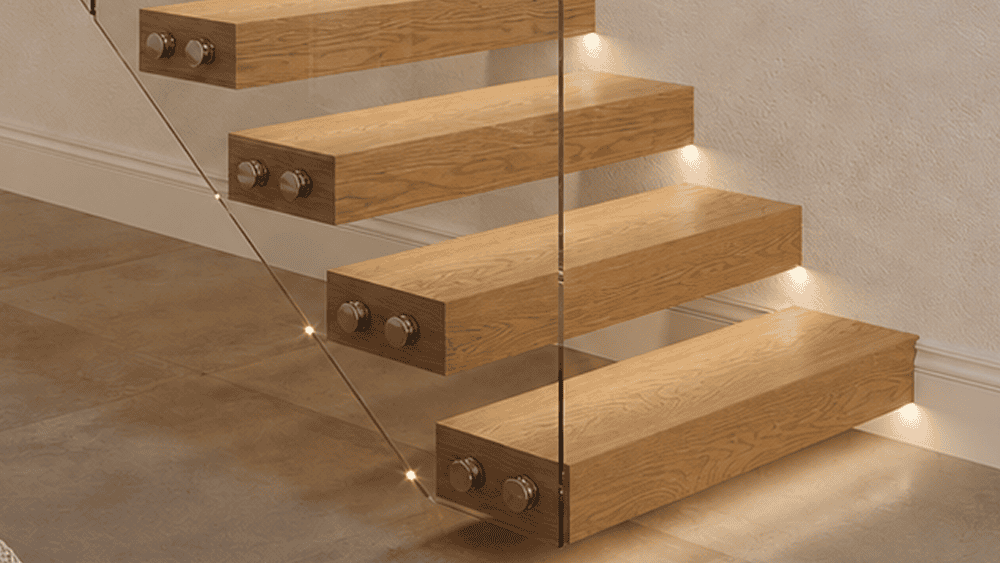
Oak sits in the middle ground. Its ray fleck pattern gives it character without overwhelming the colour, and it takes both warm tones, such as honey and caramel shades, and cooler tones, like taupe or graphite, equally well. This is part of why oak remains the most requested timber for staircases in the UK. It’s a dependable choice for anyone who isn’t fully decided on a shade yet, since it rarely clashes with the surrounding interior.
3. Natural Walnut Stairs Finish
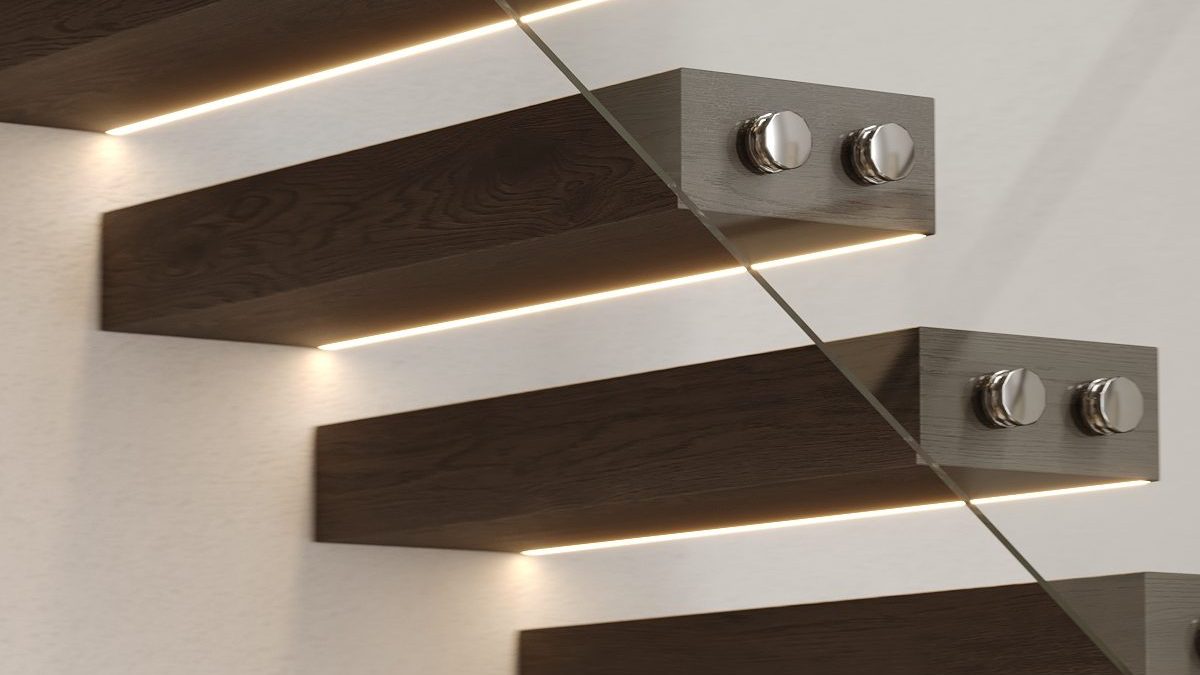
Walnut is handled differently. Rather than being tinted, it’s offered in its natural finish only, because the timber already carries a deep colour on its own, ranging from chocolate brown through to purple-brown tones, and it continues to develop character as it ages naturally. The only treatment applied is the same UV-protective lacquer used across the range, which guards the surface without altering its colour. This isn’t a limitation so much as a decision to let striking timber speak for itself.
How to Choose the Right Shade for Your Staircase?
Once you decide with wood, choosing the actual shade comes down to a few practical checks. So, what to do? Start with what’s already in the room. A staircase doesn’t need to match the flooring exactly, but a very dark tread against very light floorboards, or the reverse, can feel disconnected rather than deliberate. The same goes for skirting, doors and any visible joinery nearby, since a staircase rarely sits in isolation from the rest of the hallway.
Light matters just as much as colour theory. A stairwell that gets strong daylight in the morning and none in the evening will make the same finish look noticeably different depending on the hour, so it’s worth viewing a physical sample at different times of day rather than relying on a photo. For anyone still deciding between wood and shade together, the staircase calculator makes it possible to see pricing across different materials and finishes before committing to one.
Final Thoughts on Wood Colour Finishes
Colour wood finishing isn’t just a cosmetic layer on top of a staircase. It’s a response to how a specific timber has grown, how its pores absorb pigment, and how much natural colour it already carries. Ash rewards contrast, oak adapts to almost anything. And walnut is generally best left to its own natural depth rather than tinted to match a trend.
Getting this right from the start avoids a costly mismatch later, particularly with solid hardwood where refinishing isn’t a quick job. If you’re weighing up wood species and colour together, the Style Stairs team can talk through what will actually work in your space rather than just what looks good in a sample photo. You can get in touch here to discuss your project.