
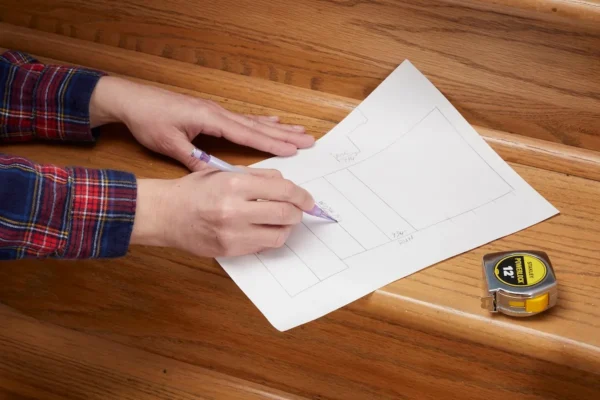
Choosing the best wood for stair treads sounds simple until you see several samples side by side. Ash, oak and walnut all look good in a showroom. Once they are underfoot every day, though, they behave quite differently, and the price gap between them is bigger than most people expect.
We make solid hardwood treads in all three species. In this guide we compare them on hardness, looks, cost and upkeep, so you can work out which one fits your home rather than which one looks best in a photo!
How to Compare Stair Tread Woods?
A stair tread takes more punishment than most floors. Every step lands in roughly the same spot, and the front edge gets knocked by shoes, the hoover and the odd suitcase. So hardness matters, but it is not the only thing worth looking at. When customers ask us which wood is best, we usually go through four questions with them.
- How well does it resist dents and everyday wear?
- What colour and grain will it bring to the room?
- How much will it add to the total price?
- Can it be stained to match the rest of the house?
There is no single winner! Each wood comes out ahead on at least one of these points, which is why the right answer depends on how you live and what the rest of your interior looks like.
Comparing Hardness and Durability
Hardness is usually measured on the Janka scale. The test records how much force it takes to press a small steel ball halfway into the wood, and the higher the number, the better the timber resists dents. The Wood Database explains the method in more detail if you are curious.
Our solid oak is rated at 1,360 Janka, ash at 1,320 and walnut at 1,010. Oak and ash are so close that you are unlikely to notice any difference between them in daily use. Walnut is noticeably softer. It is still a proper hardwood and will last for decades, but it shows marks from dropped keys or stiletto heels more readily than the other two.
Ash has one more advantage worth mentioning. It has excellent shock resistance, which is the reason it is still the traditional choice for tool handles, so a heavy knock is less likely to leave lasting damage.
How Does Each Wood Look on a Staircase?
A small sample rarely shows how a full flight of treads will look in your hallway. Colour and grain read very differently across 13 or 14 steps, and the light in the room changes them again. Below is what to expect from each species once it is fitted.
1. Solid Ash
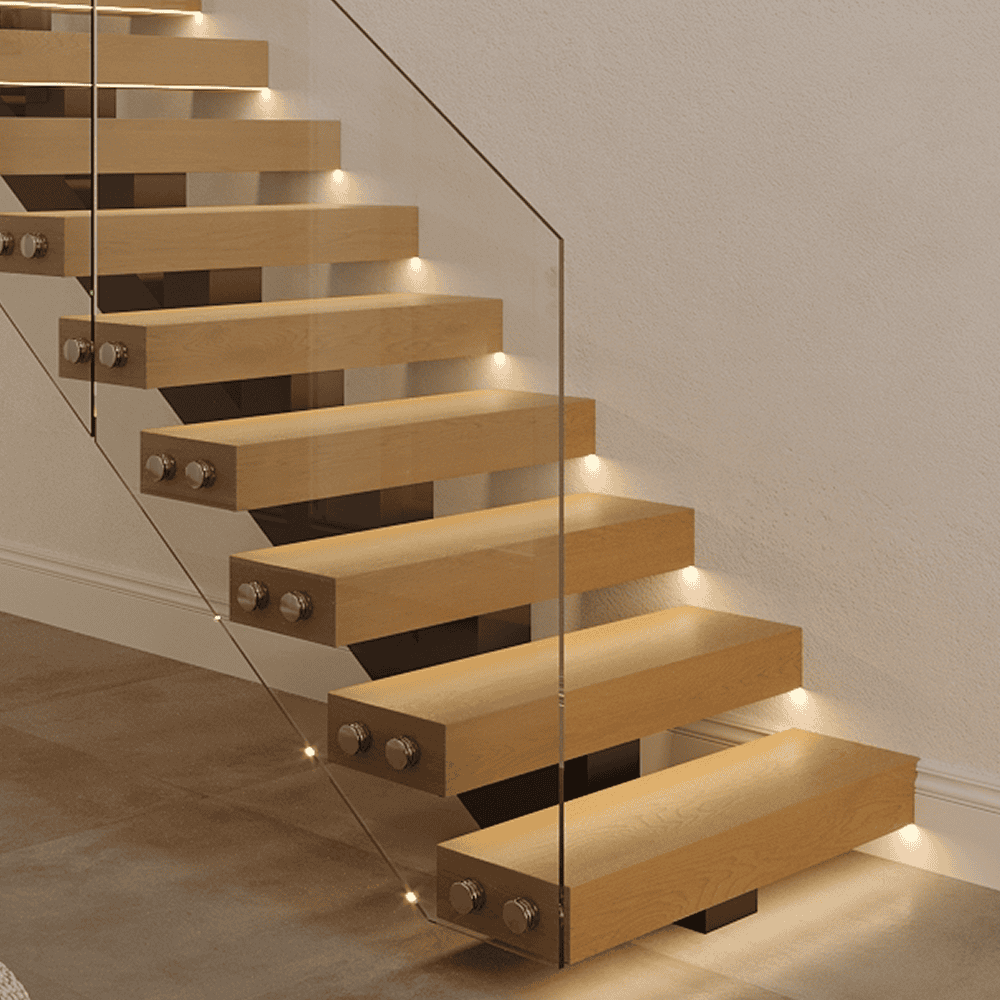
Ash is the lightest of the three, with a colour somewhere between cream and pale brown. Its grain is bold and easy to see, with darker lines running along each tread. It suits Scandinavian and contemporary interiors, especially next to white walls and pale floors.
Because the grain is so pronounced, ash keeps plenty of texture under a colour finish. Even a grey or sand tone will let the pattern come through.
2. Solid Oak
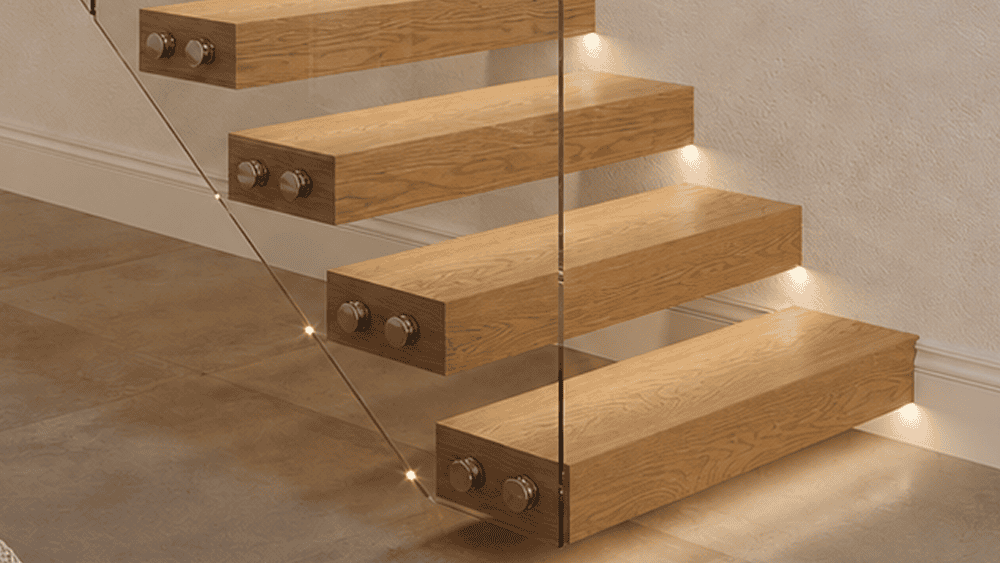
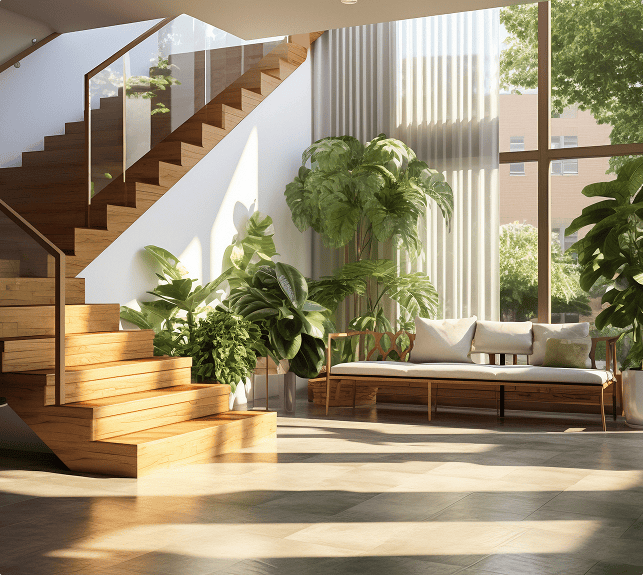
Oak sits in the middle, in warm honey and medium brown shades. Look closely and you will see ray fleck, the small silvery flashes across the grain that oak is known for. It is our most popular choice by a clear margin, mostly because it goes with almost any interior.
Oak also takes stains well, whether you want a warm tone or a cool one. If you are not yet sure what the rest of your hallway will look like, it is the safest option.
3. Natural Walnut
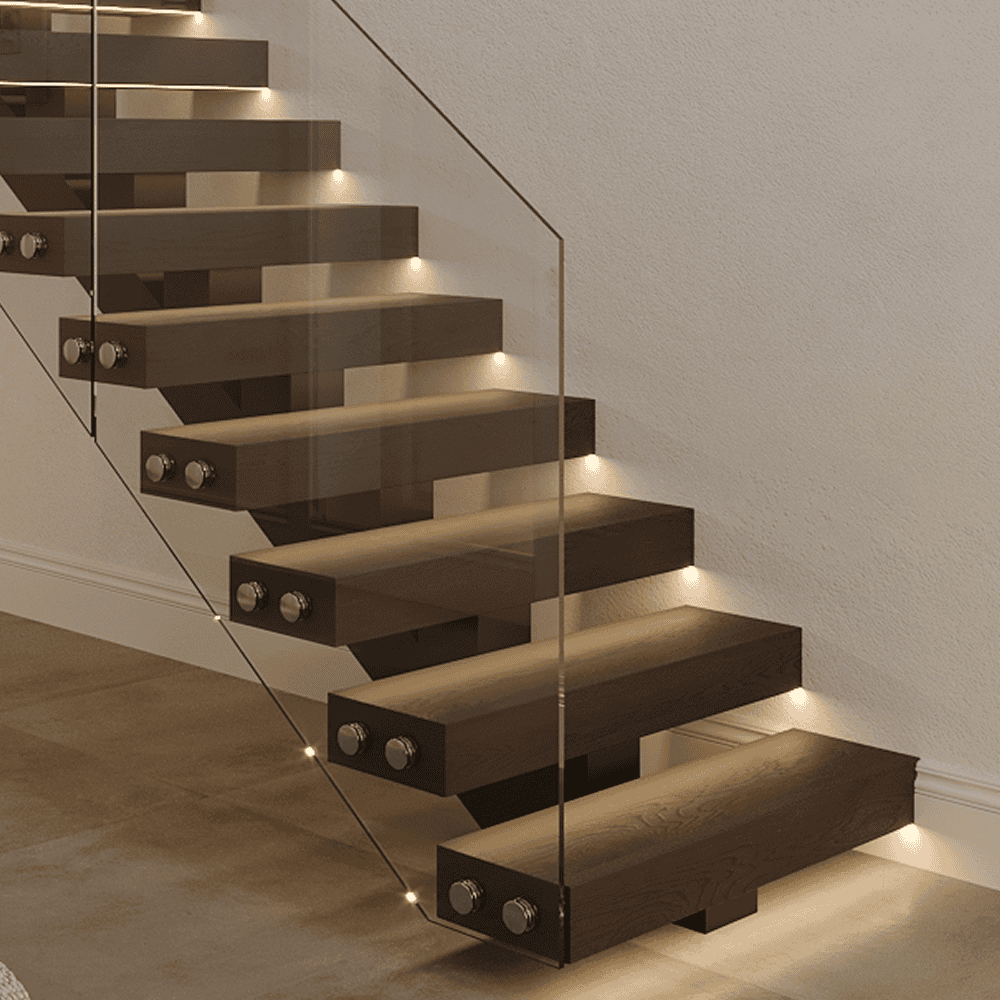
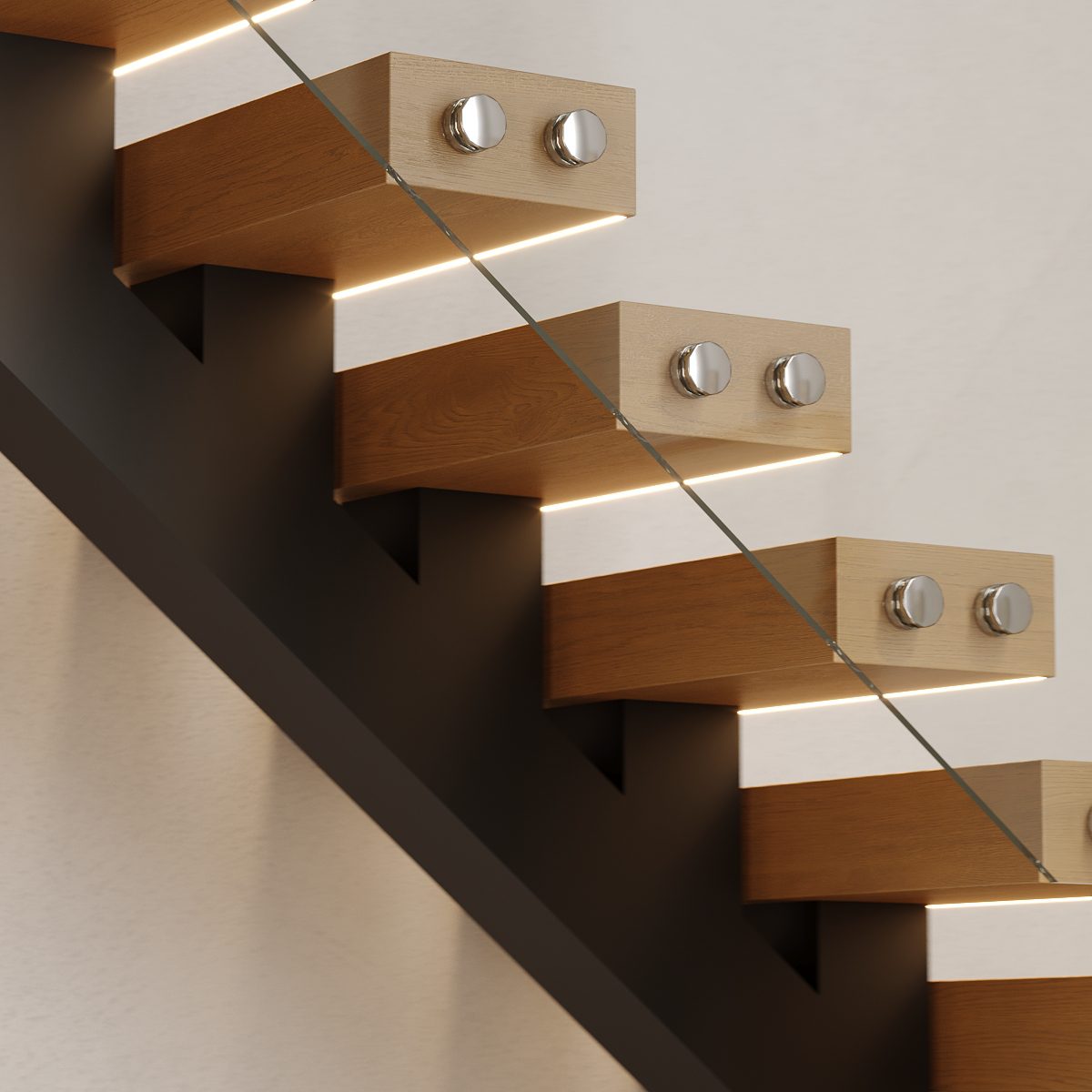
Walnut is the darkest, with deep chocolate tones that can lean towards purple-brown. The grain is straighter and calmer than ash or oak. On a floating staircase with LED lighting under each step, it stands out clearly against light walls.
We supply walnut in its natural finish only, sealed with a clear UV lacquer. The wood already has so much colour that staining it would only hide what you are paying for.
Price Difference
Cost is often what settles the decision. In the SS Builder™ solid ash costs £190 per step, oak £205 and walnut £310. The gap between ash and oak is small, and on a typical straight flight of 13 treads it comes to less than £200 (before VAT). Walnut is a different story. On the same staircase it adds over £1,300 compared with oak. The builder updates the figure as you switch between woods, and the final price is confirmed after a survey.
Colour Options and Finishes
Ash and oak can be finished in any of our 16 colours. Some stay close to the natural timber, while others go as dark as Blackwood or Charcoal Wenge. This means the species you pick does not lock you into one look, as an oak tread can end up almost black and ash can be toned down to a soft grey.
The same colour will still look slightly different on each wood, because ash and oak absorb pigment in their own way. We explain this in our guide to choosing a colour finish for wood stairs, which is worth a read before you order samples.
Looking After Your Stair Treads
All three woods need the same basic care. The routine is simple and takes very little time.
- Sweep or vacuum regularly so grit does not scratch the lacquer
- Wipe up spills straight away with a soft, damp cloth
- Keep indoor humidity between 40 and 60% to stop the wood moving
- Avoid steam mops, harsh chemicals and abrasive cleaners
Walnut needs a little more care with heavy objects, as it marks more easily. Whichever wood you choose, a professional refinish every 10 to 15 years will bring the treads back to an almost new condition. Looked after properly, hardwood stairs can last 50 years or more.
What to Choose?
For busy family homes, oak is the one we recommend most often. It is hard, it suits almost any style and the price is fair. Ash makes sense if you want a lighter look or the lowest price for solid timber, and it is just as practical as oak.
Walnut is for homes where the staircase is meant to be the main feature of the room. It costs more and needs slightly more care, but nothing else in our range looks quite like it. Whichever species you go for, all our timber comes from FSC certified forests.
The easiest way to decide is to see the numbers for your own design. Try all three woods in the builder, compare the totals and send us the version you like best!